Author, poet, and storyteller with a critical heart passionate about humanity and spirituality, with an imaginative mind exploring fiction and mythology.
This is my creative lens
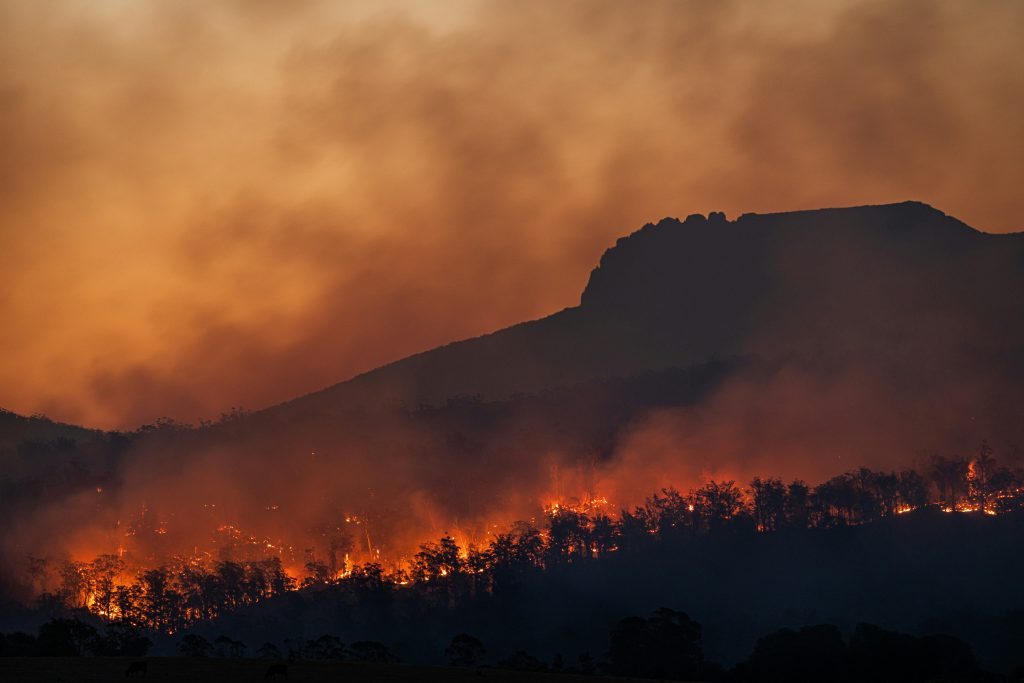
It all started with a spark, the kind that lights a fuse. A small flame, almost unremarkable at first. But then it grows and spreads. Before long, it becomes a wild-fire: an all-consuming force that destroys everything in its path. Such is the nature of politics.
In the grand scheme of things, we become pawns: a means to an end. It devours everything it touches, without measure or quota. No one is spared, especially not the most delicate in society: children. When those who are meant to be mentored and nurtured become instruments in settling political scores, that in itself speaks volumes about the society we live in.
It is perhaps for this reason that theologian Dietrich Bonhoeffer once said “The test of the morality of a society is what it does for its children.” And by that measure, the reality we are confronted with today is deeply unsettling.
Last week, that wildfire consumed a group of schoolchildren. On Tuesday 7th April, a local newspaper ran the headline “Echoes of Silence,” claiming Moi High School Mbiruri’s play had been banned because the word “Singapore” had been used which was interpreted as a jab at the President’s pledge to turn Kenya into the next Singapore. Public debate erupted. Social media lit up. The children were suddenly props on a much larger stage.
Only one problem: the play was never banned.
The play was fairly ranked and simply did not progress to the next level. Furthermore, the play itself is a reflection on generational gaps; there is nothing about it that is political in nature. What should have been an exploration of ideas and a nurturing ground for young talent instead becomes entangled in political interpretation.
Art is a powerful form of expression as well as a learning tool. Plays are a form of art that nurture talent while also exploring complex ideas. They often mirror real-life situations and tackle deep and layered themes. Unfortunately, over the past few years, something has been lost in translation.
Politics, being the force that it is, has infiltrated safe spaces like schools, where impressionable children are turned into instruments of larger battles. Plays, instead of remaining spaces for learning and creativity, are increasingly interpreted through political lenses. What should be a medium for exploration and growth becomes a platform for controversy and propaganda.
The focus shifts from how good or talented the children are to how political actors respond to criticism. It becomes less about artistic expression and more about political interpretation.
Similarly, initiatives meant to support vulnerable people often become platforms for self-promotion. Even spaces intended for relief and support are reduced to opportunities for visibility and influence. They turn into looting grounds and see who can get the lion’s share.
In times of grief and loss, even moments of deep pain are not spared. What should be intimate and sacred becomes performative. Politics reaches into spaces where silence and dignity once belonged.
Politics is shameful in the sense that it taints everything it touches, corrupting that which is good and pure. No place is sacred: not the pulpit, not the altar, not even moments of grief when people are at their most vulnerable. And if nothing is sacred, then perhaps the real danger is not what politics has already consumed, but what it has yet to reach.