Author, poet, and storyteller with a critical heart passionate about humanity and spirituality, with an imaginative mind exploring fiction and mythology.
This is my creative lens
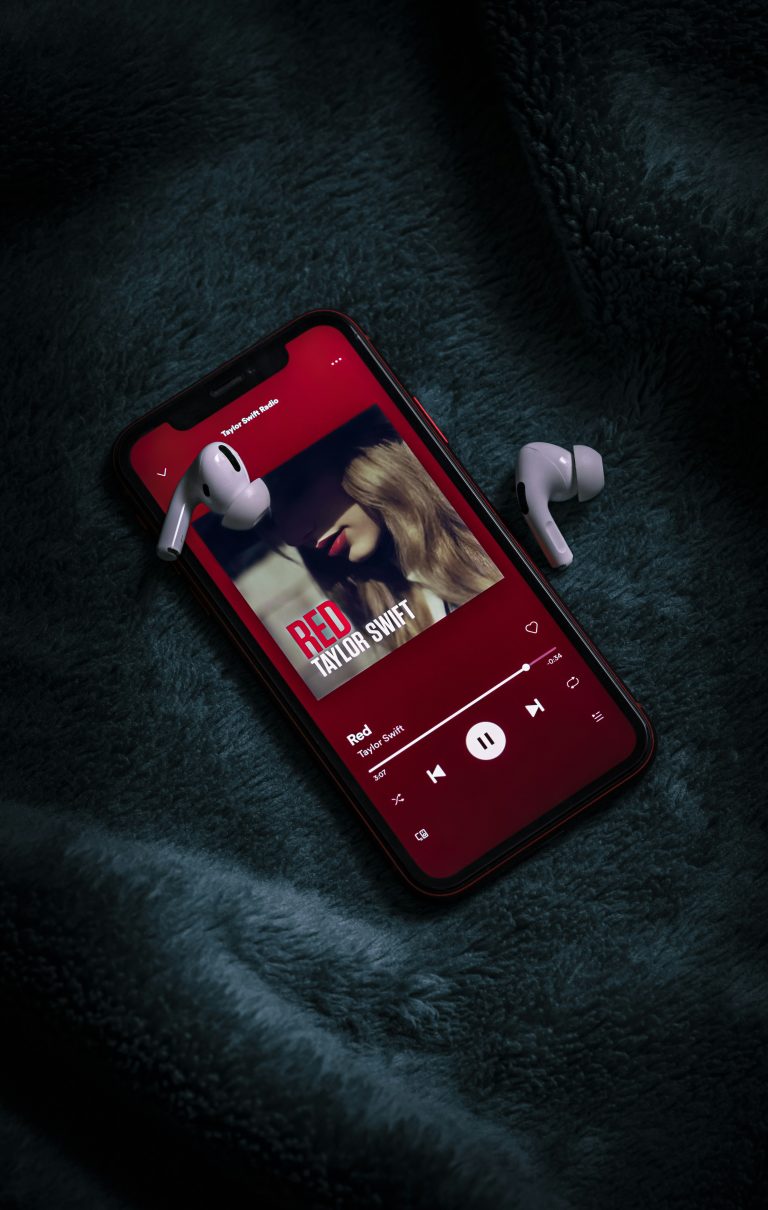
Red had to crawl so 1989 could walk —and, if the stars align, for The Life of a Showgirl to run.
By late 2012, Taylor Swift had cemented her status as Nashville’s darling, with country hits like Love Story and You Belong with Me. Yet her fans still claimed her as the quintessential ‘sweet American country girl,’ making any abrupt shift a high-stakes gamble.
An abrupt departure risked the dreaded ‘fourth-album curse,’ so Red became a strategic testing ground.
The album splits its sound into two. One side is rooted in the familiar country, soft rock, and folk storytelling. The other side showcases her first collaborations with Max Martin and Shellback, who injected sleek, radio-ready polish into her sound.
The results were immediate, remarkable, and undeniable. The lead single, We Are Never Ever Getting Back Together, became her first Billboard Hot 100 No. 1. The second single I Knew You Were Trouble with its then-revolutionary dubstep-lite drop, soared to No. 2, proving the first hit was no fluke.
These tracks were more than just hits; they were a roadmap. The Martin/Shellback collaborations were massive, culture-dominating evidence that the ‘Max’imarlist Effect could launch Taylor Swift on a global scale. This was the proof she needed to go all-in, and the leap would arrive with 1989.
1989: THE 'MAX'IMARLIST EFFECT IN FULL FORCE
If Redwas testing the water, 1989 was a cannonball into the deep end and she fully committed to pop with this record. With Max Martin and Shellback producing seven of the album’s thirteen tracks, the result was a bulletproof pop record that redefined her career. The ‘Max’imarlist Effect’ was no longer an experiment; it was a fully realized philosophy, built on three core traits.
Trait 1: The Irresistible Hook Stack
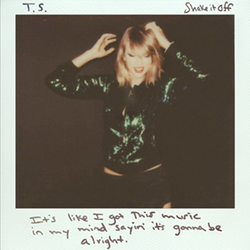
Max Martin operates on a principle of “hook science,” constructing songs that are earworms by design. The lead single, Shake It Off, is a masterclass in this. It’s an assembly line of infectious moments—a driving drum beat, a handclap-driven bridge, a looping sax riff, and a chorus that embeds itself in the cultural consciousness
Blank Space takes it further: sly verses, an accelerating pre-chorus, an iconic chorus, and a lethal post-chorus kicker. Each section builds to a crescendo, creating a cycle of addictive listening. Crucially, this bulletproof structure serves Taylor’s brilliant songwriting, allowing her to weaponize the media’s “serial dater” narrative within the world’s most polished pop production.
Trait 2: Sonic Theming & the “80s Vibe”
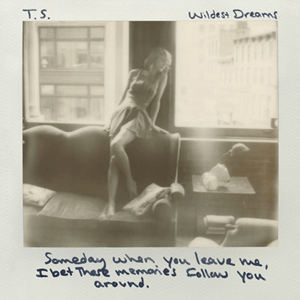
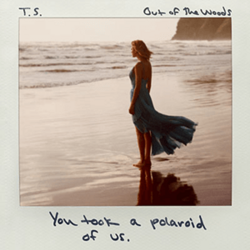
1989was a cohesive sonic universe. Martin and Shellback engineered a sleek, modern-retro world that leaned hard into 80s synth-pop aesthetics. This is audible in the tracks like Style, Out of the Woods, and Wildest Dreams which evoke a cinematic feel. This cohesive sonic branding ensured every track felt distinct yet part of a greater, stylish whole. It transformed the album from a mere playlist into an era.
Trait 3: Polished, Powerful Vocals
No matter the production, Taylor’s vocals are front and centre. On 1989, Taylor’s voice is cleaner and more powerful than ever before, often doubled or backed with harmonies to amplify its presence and emotional impact. In Wildest Dreams, her airy, breathy delivery is foregrounded against the cinematic instrumentation, making every sigh and inflection crystal clear. The result is music that sounds larger-than-life yet remains unmistakably and intimately Taylor.
THE VERDICT: A NEW POP BLUEPRINT
The proof was in the chart dominance. 1989 spawned three No. 1 singles, sold over a million copies in its first week, and won the Grammy for Album of the Year, cementing Taylor’s status as a global megastar. The ‘Max’imarlist Effect’ provided the sonic blueprint for this conquest: a combination of irresistible hook stacks, a cohesive and cool sonic theme, and pristine vocal production that showcased a songwriter at the top of her game.
But the brilliance of 1989 also contained the seeds of risk. By pushing herself to such dazzling heights, Swift set a standard that would be nearly impossible to replicate. The Max’imarlist Effect always comes with this dual edge: the higher the peak, the sharper the fall that might follow. 1989 was a summit, but summits often leave little room to climb further.
If Red was the testing ground, and 1989 was a full immersion, The Life of a Showgirl may very well be the ultimate proof of mastery of this formula.